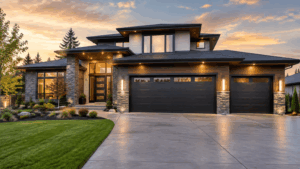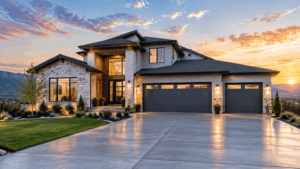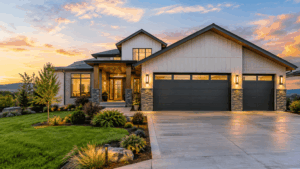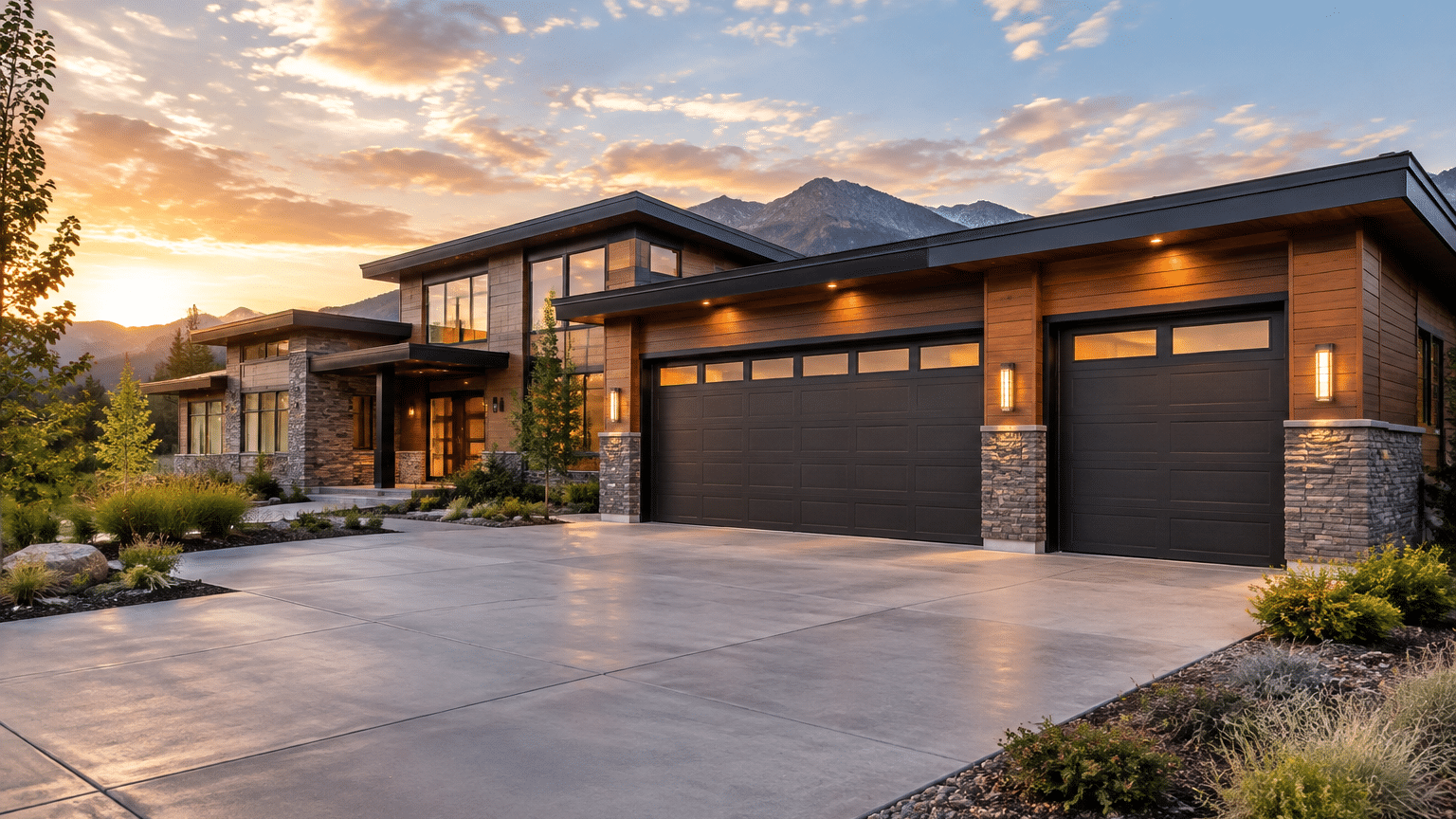
Picture this: a sprawling home where modern elegance meets practicality, seamlessly integrating a spacious garage that caters to your lifestyle. In today’s fast-paced world, the marriage of form and function has never been more vital, especially when it comes to architectural design.
As we navigate the architectural landscape of contemporary homes, the garage emerges as more than just a parking space; it’s an extension of your living area, a statement of personal style, and a hub for hobbies and projects. With innovative designs and materials, modern architecture invites us to rethink how we perceive the humble garage.
Join us as we delve into the fascinating world of modern architectural styles that not only accommodate large garages but elevate the entire aesthetic of your home. From sleek minimalist lines to bold industrial elements, there’s a style that resonates with every homeowner’s vision.
Introduction to Modern Architectural Styles
Defining Modern Architecture
Modern architecture is a dynamic expression of creativity that emerged in the early 20th century, characterized by its rejection of traditional forms and ornamentation. It embraces minimalism, functionality, and the use of new materials, such as steel and glass, to create open and airy spaces. This architectural movement seeks to harmonize structures with their environment, promoting a seamless connection between indoor and outdoor living.
Historical Context of Modern Design
The roots of modern architecture can be traced back to the Industrial Revolution, which introduced innovative construction technologies and materials. Influential architects like Le Corbusier and Frank Lloyd Wright challenged conventional building designs, advocating for a new aesthetic that reflected the changing social landscape. This period was marked by a desire for simplicity and efficiency, which resonated with a society increasingly focused on progress and modernity.
Key Characteristics of Modern Homes
- Simplicity: Modern homes often feature clean lines, geometric shapes, and a lack of excessive ornamentation.
- Open Floor Plans: Emphasizing flow and connectivity, spaces are designed to be multifunctional and inviting.
- Large Windows: Expansive glass installations not only enhance natural light but also create a visual dialogue with the surroundings.
- Integration with Nature: Modern architecture often blurs the boundaries between indoor and outdoor spaces, promoting a harmonious relationship with the environment.
Popular Modern Architectural Styles for Homes
Minimalist Architecture
Minimalist architecture embraces simplicity, focusing on clean lines and functionality. This style often features open spaces, large windows, and a neutral color palette, allowing natural light to flow freely. Essential elements are emphasized while unnecessary details are stripped away, creating a serene environment.
Industrial Style
Industrial style draws inspiration from warehouses and factories, showcasing raw materials like exposed brick, metal beams, and concrete floors. This aesthetic promotes an urban vibe, often incorporating vintage furnishings and a mix of old and new elements. It’s perfect for those who appreciate a rugged, edgy look.
Mid-Century Modern
Mid-century modern architecture celebrates the fusion of form and function, characterized by organic shapes, vibrant colors, and seamless indoor-outdoor living. This style emerged in the mid-20th century, featuring iconic elements like flat planes, large glass windows, and an emphasis on nature, making it timeless and beloved.
Contemporary Design
Contemporary design is ever-evolving, reflecting current trends and innovations. It often incorporates sustainable materials, smart technology, and bold architectural forms. This style champions creativity, allowing homeowners to customize their spaces while maintaining a cohesive aesthetic that is both functional and visually striking.
Farmhouse Modern
Farmhouse modern blends rustic charm with modern sophistication, creating a warm and inviting atmosphere. Characterized by open layouts, natural materials, and a neutral color palette, this style often features shiplap walls, vintage accents, and large porches, offering a cozy yet stylish retreat from the hustle and bustle of urban life.
Integrating Large Garages into Modern Home Designs
Designing Functional Garage Spaces
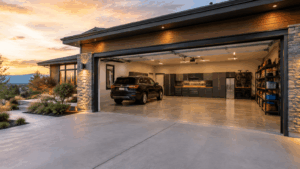
When it comes to integrating large garages into modern home designs, functionality is pivotal. The garage should serve its primary purpose of vehicle storage while also accommodating tools, outdoor gear, and even bicycles. Incorporating built-in shelving, cabinets, and pegboards can optimize storage without sacrificing floor space. Consider integrating a designated workspace with ample lighting; this can transform a standard garage into a DIY enthusiast’s haven.
Garage as a Multi-Use Area
Modern homeowners are increasingly embracing the concept of multi-use garages. Beyond vehicle storage, these spaces can evolve into recreational areas, workshops, or even fitness zones. By adding climate control features, such as heating or cooling systems, garages can become comfortable year-round. Open floor plans can create a seamless transition between the garage and adjacent living spaces, fostering a sense of unity in design.
Aesthetic Considerations for Large Garages
Aesthetics play a crucial role in the integration of large garages into contemporary homes. Opt for sleek garage doors that complement the home’s exterior, utilizing materials like wood or glass for a sophisticated touch. Incorporating decorative elements such as outdoor lighting and landscaping can enhance curb appeal. Additionally, choosing a cohesive color palette ensures that the garage blends harmoniously with the overall architectural style, transforming it from a mere utility space into a visually appealing extension of the home.
Sustainability in Modern Architecture
Eco-Friendly Materials
In the quest for sustainable architecture, the choice of eco-friendly materials plays a pivotal role. Architects and builders are increasingly opting for renewable resources like bamboo, reclaimed wood, and recycled metals. These materials not only minimize environmental impact but also contribute to healthier indoor spaces by reducing toxins and emissions. Moreover, innovations in bio-based composites and sustainable concrete are pushing the boundaries of what’s possible, allowing for structures that are both durable and gentle on the planet.
Energy Efficiency in Design
Energy efficiency in design is at the forefront of modern architectural practices. By incorporating passive solar design principles, buildings can maximize natural light and minimize reliance on artificial heating and cooling. Features such as strategically placed windows, thermal mass, and high-performance insulation contribute to reducing energy consumption. Furthermore, smart technology integration enables real-time monitoring and management of energy use, making it easier for occupants to maintain a low-carbon footprint while enjoying modern conveniences.
Green Roofs and Solar Panels
Green roofs and solar panels are more than just trendy additions; they represent a significant shift towards eco-conscious living. Green roofs not only enhance biodiversity but also help in stormwater management and temperature regulation within buildings. Meanwhile, solar panels harness renewable energy, significantly reducing reliance on fossil fuels. The combination of these features not only lowers utility bills but also creates a harmony between urban environments and nature, fostering a sustainable lifestyle that aligns with the needs of the planet.
Future Trends in Home Architecture
Smart Home Technology
Imagine a living space that anticipates your needs—this is the promise of smart home technology. Homes are increasingly equipped with systems that integrate IoT devices, allowing homeowners to control lighting, climate, and security with a simple voice command or mobile app. This seamless connectivity not only heightens convenience but also enhances energy efficiency, reducing waste and lowering utility bills. As AI continues to evolve, we can expect even more sophisticated applications, such as personalized environments that adapt to our preferences in real-time.
Adaptive Reuse of Spaces
In a world where sustainability is paramount, the adaptive reuse of spaces is gaining traction. This innovative approach involves repurposing existing structures to fulfill new functions, minimizing the environmental impact of new construction. Think old warehouses transformed into trendy lofts or decommissioned schools reimagined as community centers. This trend not only preserves historical significance but also injects character into neighborhoods, creating vibrant spaces that reflect local culture while addressing modern needs.
The Rise of Biophilic Design
Biophilic design is revolutionizing the way we conceptualize living environments by fostering a deeper connection with nature. By incorporating natural elements such as plants, water features, and organic materials, architects create spaces that enhance well-being and productivity. This trend recognizes our inherent desire to connect with the natural world, leading to healthier and more inviting homes. As research continues to underscore the psychological benefits of nature-inspired design, expect to see an uptick in homes that prioritize greenery and natural light, creating serene sanctuaries amidst urban chaos.
Conclusion
In the ever-evolving world of architecture, the integration of large garages into contemporary home designs is nothing short of inspiring. These spaces not only cater to practicality but also enhance the overall aesthetic appeal of modern homes. Whether you lean towards sleek minimalism, rustic charm, or bold industrial vibes, there’s a style that perfectly complements your vision. As you embark on your architectural journey, remember that a well-designed garage can be more than just a parking space; it’s a canvas for creativity and functionality. Embrace these modern styles to create a harmonious blend of form and function that reflects your unique lifestyle.
Pertanyaan yang Sering Diajukan
What are modern architectural styles?
Modern architectural styles include minimalism, contemporary, and industrial designs.
How can I incorporate a large garage into my home design?
Consider styles that integrate the garage seamlessly with the home's facade.
What are the benefits of a large garage?
A large garage provides extra storage, workspace, and can enhance your home's value.
Are there eco-friendly architectural styles?
Yes, styles like sustainable and green architecture focus on energy efficiency and environmental impact.
How do I choose the right style for my home?
Consider your personal taste, the surrounding environment, and functional needs.